

PDRN Explained: Effect, Benefits & Application in Skincare
The ingredient PDRN (polydeoxyribonucleotide) is a regenerative active ingredient derived from purified fish DNA and is becoming increasingly popular in dermatology and aesthetic skincare. We have taken a closer look at this emerging beauty ingredient for you: its strength lies in its ability to promote cell repair, angiogenesis and collagen synthesis, processes that can visibly improve skin structure, elasticity and regeneration.
How PDRN works:
Since PDRN has >95% similarity to human DNA, it is highly tolerable by the skin. It delivers short DNA fragments that act as signals: they activate repair pathways, stimulate adenosine A2A receptors, reduce inflammation and promote the production of growth factors. The result is faster wound healing, improved microcirculation and increased collagen production.
When PDRN should be used:
- After treatments: shortens recovery time after laser, peels or microneedling.
- Anti-ageing: reduces fine lines and improves firmness and skin texture.
- Skin regeneration & scars: supports regeneration in thin or damaged skin.
Forms of dosage:
PDRN is available as topical serums, professional injection solutions and masks. Injections generally provide faster, more intensive results, while topical products are suitable for support and maintenance.
Vegan variant:
Vegan PDRN alternatives derived from ginseng, lotus, rice, green tea or yeast are also gaining more recognition. However, according to current studies, their effects are usually weaker. The reasons for this are:
- different molecular structure: fragment lengths and sequences differ, resulting in lower biological activity.
- lower receptor activity: weaker activation of adenosine A2A receptors and repair pathways.
- reduced bioavailability: faster degradation and lower cellular uptake.
- less clinical evidence and standardisation.
Safety & application tips:
PDRN is considered well-tolerated, with side effects that are rare and usually localised, such as mild redness or burning. It is important to perform a patch test before using products containing PDRN if you are allergic to fish or seafood. For invasive applications, consult a trained professional. For best results, combine PDRN with microneedling or other regenerative treatments and use it regularly.
Conclusion:
Compared to peptides, PDRN focuses more on cell repair and angiogenesis.
It is a scientifically proven active ingredient for regeneration and anti-ageing. Whether used to support recovery after treatments or for long-term skin improvement, PDRN is a valuable addition to modern skincare.
Curious about PDRN? Discover our serums, masks and professional treatments for visibly regenerated, firmer skin.
Related products
-
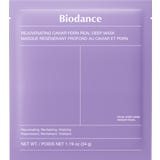
Biodance Rejuvenating Caviar PDRN Real Deep Mask
- For all skin types
- Smoothness & elasticity
- With 600,000 ppm caviar complex
-
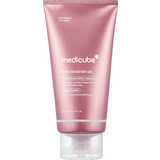
Medicube PDRN Booster Gel, 300 ml
- For all skin types - including sensitive skin
- Provides intensive regeneration
- Soothes & hydrates
Magazine Articles:
-
Great Britain: Free standard delivery from £69.90
-
Free
returns -
Get at least 1 free sample
per order More than 7.000 products